
Suffolk Resident Lookup Paths
A name can reach several different Suffolk custodians. The public assessment layer is useful for an owner-of-record, parcel, or tax-mailing lead, but it does not establish who currently occupies a property. Court indexes identify public case parties. VDH keeps vital records, and election records follow their own statutory limits. Treat each hit as a record-specific answer rather than a complete profile of a person.
| Record path | Question it can answer | Custodian | Access boundary |
|---|---|---|---|
| Assessment and parcel record | Who is listed as owner or tax-mailing contact? | City Assessor / Spatialest | Owner and mailing fields are not occupancy proof. |
| Voter record | What status or election geography is available? | Virginia Citizen Portal / Registrar | Title 24.2 limits public fields and protected records. |
| Court docket | Is a name indexed as a party in a public case? | Virginia Courts / local clerk | Sealed and confidential matters remain unavailable. |
| Vital event | Is an index open or may an eligible requester seek a copy? | VDH Office of Vital Records | Age, relationship, ID, and statute rules apply. |
| Deed or probate record | Did a name appear in a recorded land or estate role? | Suffolk Circuit Court Clerk | Registration, copy rules, and court limits apply. |
For a property lead, start with the Suffolk assessment search, record the source date, then compare the result with another record family. Mailing, situs, historical, and protected addresses should never be merged into one claim.
Suffolk Names Need Two Checks
Begin with a full name and one more discriminator: a date, locality, parcel, street, family role, or organization. Search initials and reasonable spelling variants. Suffolk is an independent city, while older records may use Nansemond County, the City of Nansemond, Holland, or Whaleyville. A result that fits only one of those details needs more work before it is treated as the right person.
Keep a short record log with the source name, record type, event or filing date, locality, and what the entry actually says. A deed party, an assessment owner, and a historical directory listing document different relationships at different times. A second independent source is the practical check against same-name matches. A resident lookup does not become stronger by merging disconnected records. For a street-focused record trail, the Suffolk Street Directory follows the address and parcel route in more detail.
Note: A date and a record label make a match more useful than an unsupported current-address assumption.
Suffolk Court Record Paths
The Virginia Courts case-information route changes by court. Search options can include name, case number, locality, hearing date, and court or case-type selection. It does not provide one statewide Circuit Court search. Suffolk General District Court has its own local route, and the Circuit Court Clerk remains the fallback for archived files, certified copies, fees, and details not shown in a dynamic web display. Court records are not Virginia FOIA requests.
Virginia Courts case information presents the available court-search paths.
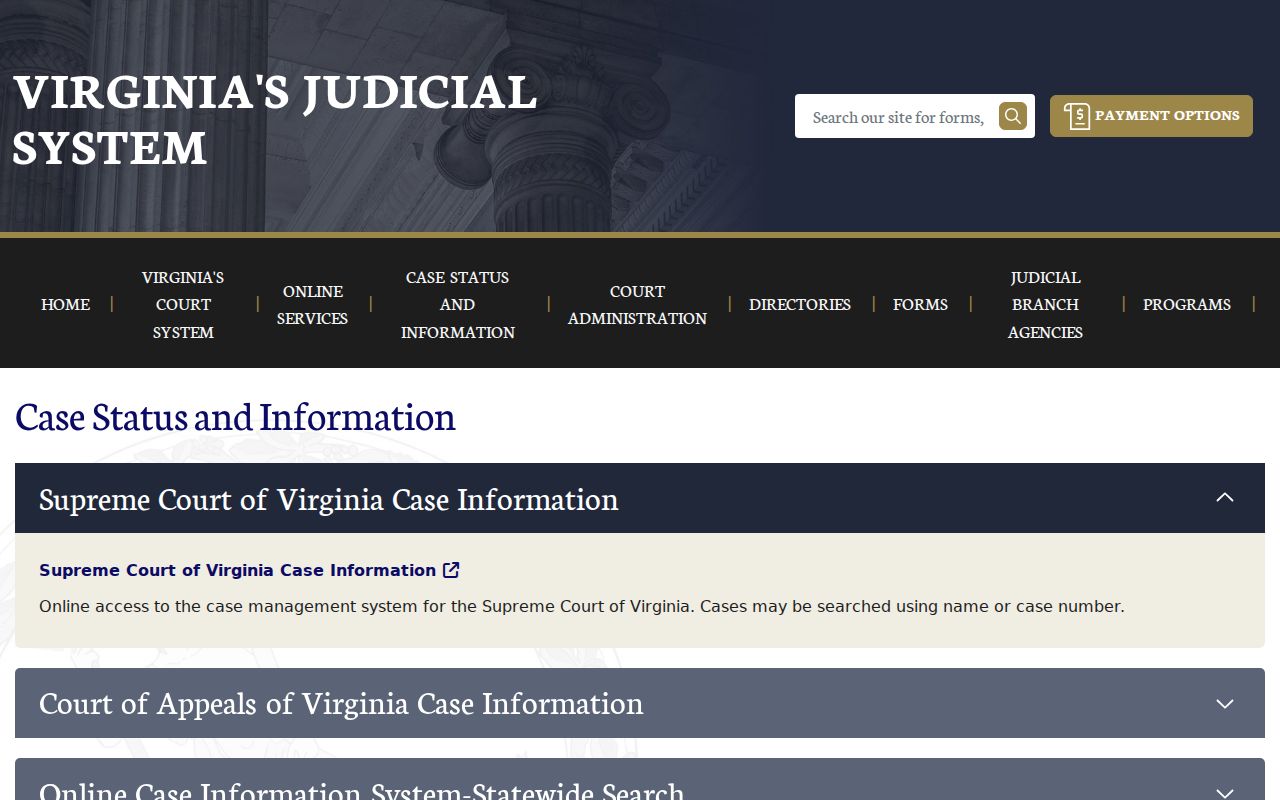
A visible docket can be logged for its indexed party name, role, case or docket number, court or locality, case type, filing and hearing dates, status, disposition, and any clerk instruction. The live result layout varies, so those fields are an inventory to capture when displayed, not a promise that every case shows each one.
Suffolk General District Court supplies the local court entry point and clerk information.
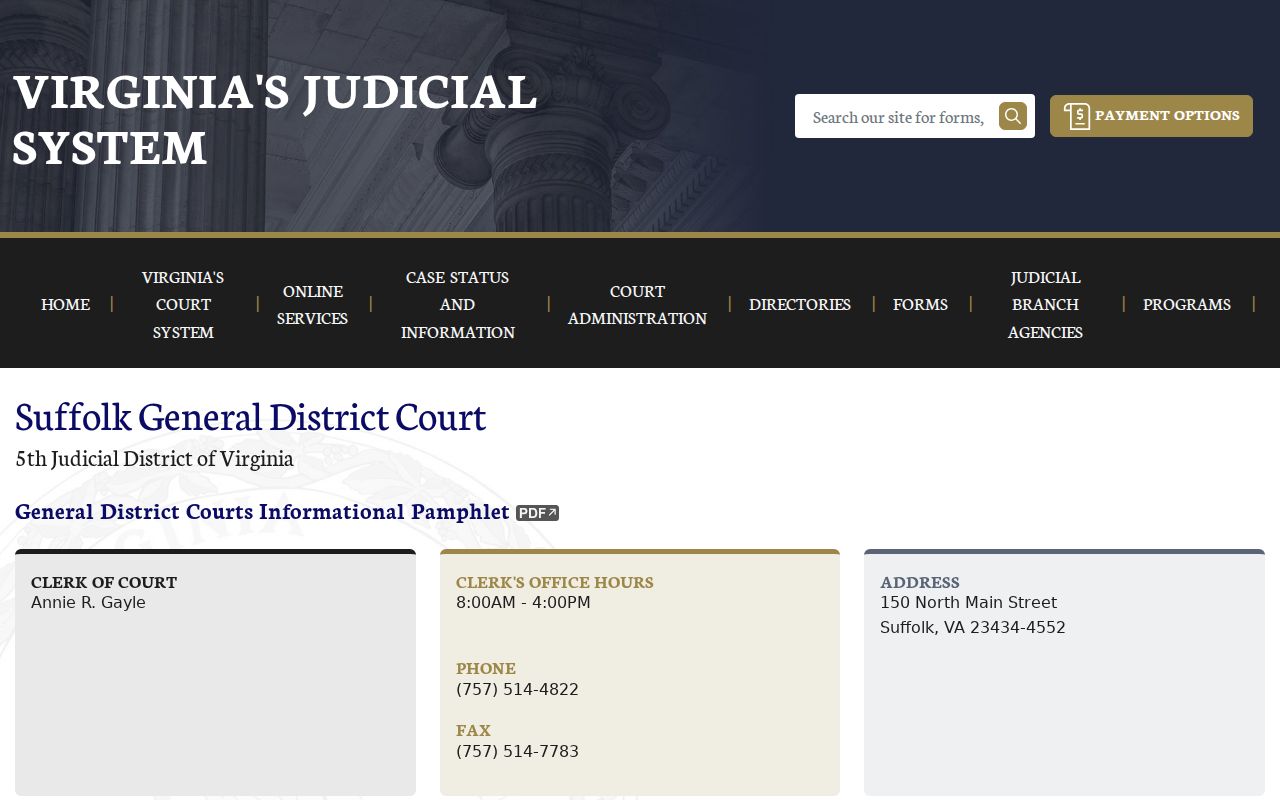
Juvenile, domestic-relations, adoption, expunged, sealed, and protected family-law matters have added confidentiality limits. A web summary should be verified with the clerk, especially when court and locality do not line up.
Verify a Suffolk Resident
Use a simple sequence to confirm that two records point to the same individual. Start from the record that best fits the question. For example, a recorded parcel contact can anchor an address question, while a court party search may be the first check for a case-related name. Compare dates before comparing labels, because a historical address can be accurate for its year but not for the present. A resident lookup should retain that date distinction.
- Record the full name, spelling variants, locality, and one second discriminator before opening a portal.
- Check an assessment, deed, voter, court, or historical source that directly matches the question, and label its date and record type.
- Compare a second, unrelated source for a matching address, event date, party role, or locality.
- Ask the responsible custodian for clarification or a certified copy only when that record is needed and the access rules allow it.
- Docket
- A court's running record of a case, its parties, events, dates, and results.
- Index and image
- An index is a searchable listing; an image is the scanned record or document, which may have different access rules.
- Certified copy
- A copy issued or authenticated by the custodian for uses that require an official certification.
Suffolk Vital-Record Requests
The Virginia Department of Health Office of Vital Records is the state custodian for Suffolk birth, death, marriage, and divorce records. Under Virginia Code §32.1-271, birth records open after 100 years. Death, marriage, and divorce records open after 25 years, subject to the statute and its exceptions. An open index may provide a name, event date, and locality, but a certified copy still follows the request rules.
VDH Vital Records explains the certificate and search options.
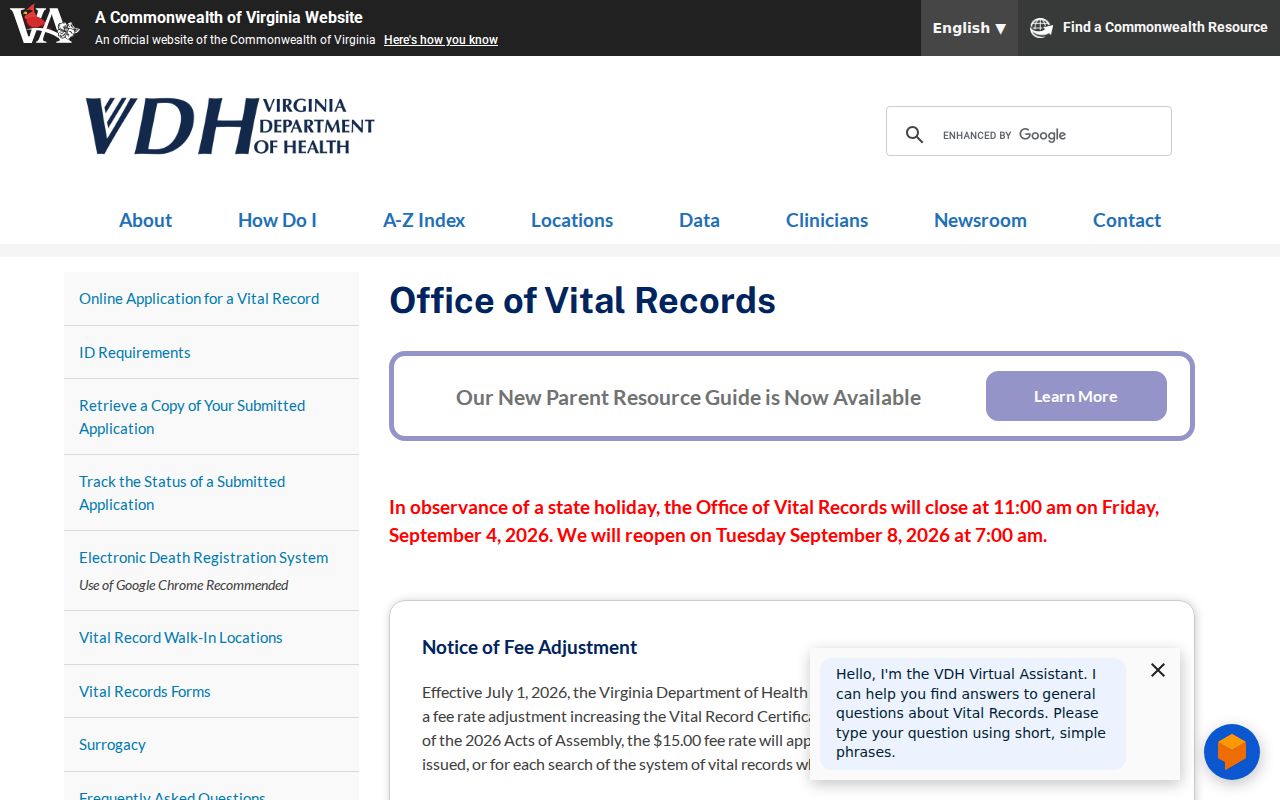
VDH lists a $15 certificate or search fee effective July 1, 2026. Requests may go through the online application, mail, Richmond walk-in service, express service, or Virginia DMV customer-service centers. Eligibility is record-dependent, and legible identification is required for non-open records.
VDH vital-record forms identify the current paper-request workflow.
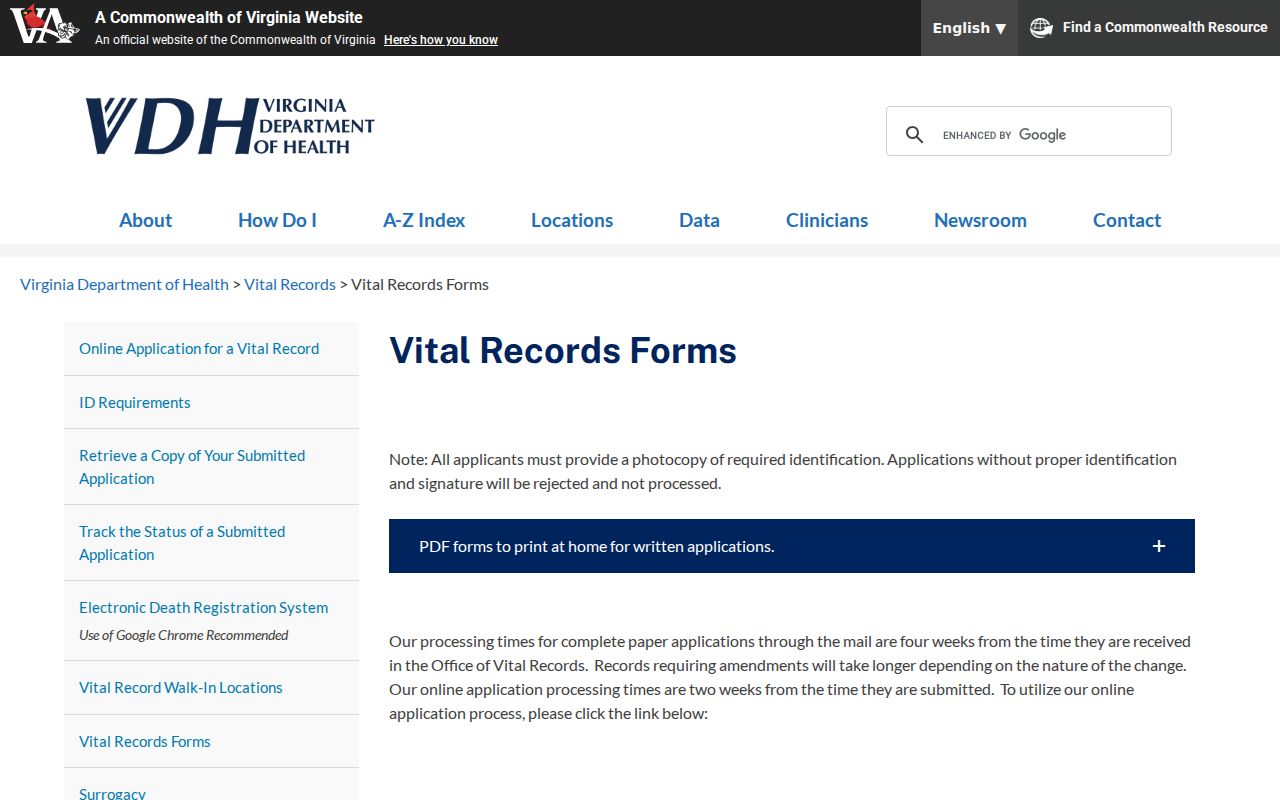
A requester supplies identity and contact details, relationship, reason, event information, mailing address, signature, ID, and payment. Immediate-family categories and legal representatives with documentation may qualify where the event record is not open; extended family connection alone does not establish eligibility.
VDH's online vital application shows the event and requester steps.
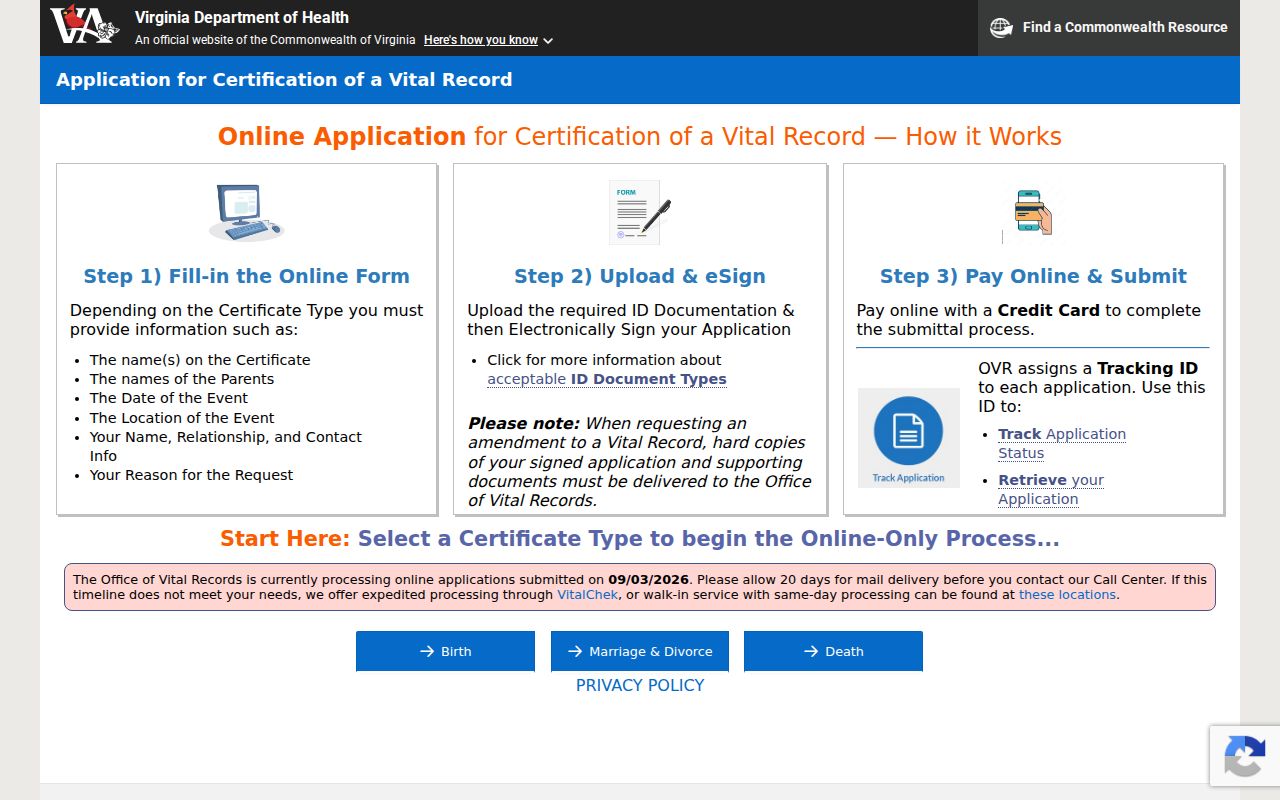
Marriage certificates and divorce certificates use the VDH route, while the original marriage-license file or court decree may require the Circuit Court Clerk. The current VDH page, rather than an older PDF that still shows a prior amount, controls the listed fee.
Suffolk Voter Information
Virginia's public voter-list rules are narrower than a general person search. Title 24.2 permits specified public-list fields including name, residence address, year of birth, gender, and election-district information, while SSN, full birth date, registration-agency identity, declination data, and protected details are excluded. The Citizen Portal supports registration-status, polling-place, absentee, and related actions, but its dynamic screen should not be treated as a public export of every voter field.
Virginia's voter public-information guidance describes the available status and registration actions.
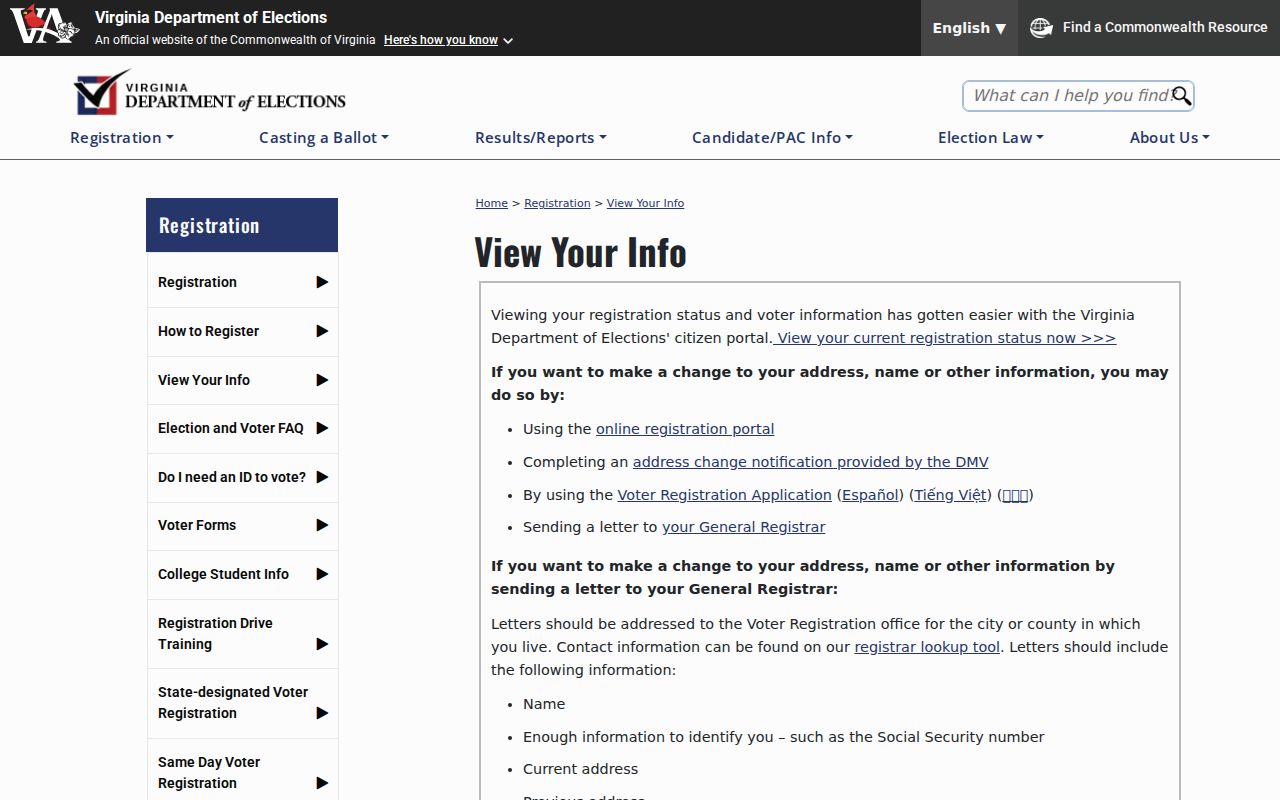
A broader voter-file request has a separate process: the Elections Department form calls for an eligible client type, organization information, an active confirmed organizational email, and geographic, election, and product filters. The Suffolk Registrar handles local discrepancies and precinct context. Protected voters and Address Confidentiality Program participants should not be exposed through a lookup.
Note: Confirm a current polling place in the Citizen Portal because registration details and polling assignments can change.
Suffolk Public-Safety Sources
Custody, criminal-history, notification, and registry sources are separate systems with different purposes. The Virginia Department of Corrections locator accepts the first three letters of a first name with a full last name, or a DOC ID. Its results can show name, DOC ID, race, gender, age, location, and release date, and VADOC warns that the daily-updated information may still be inaccurate or outdated. It is not a Suffolk historical resident list.
Virginia Department of Corrections provides the state custody locator.
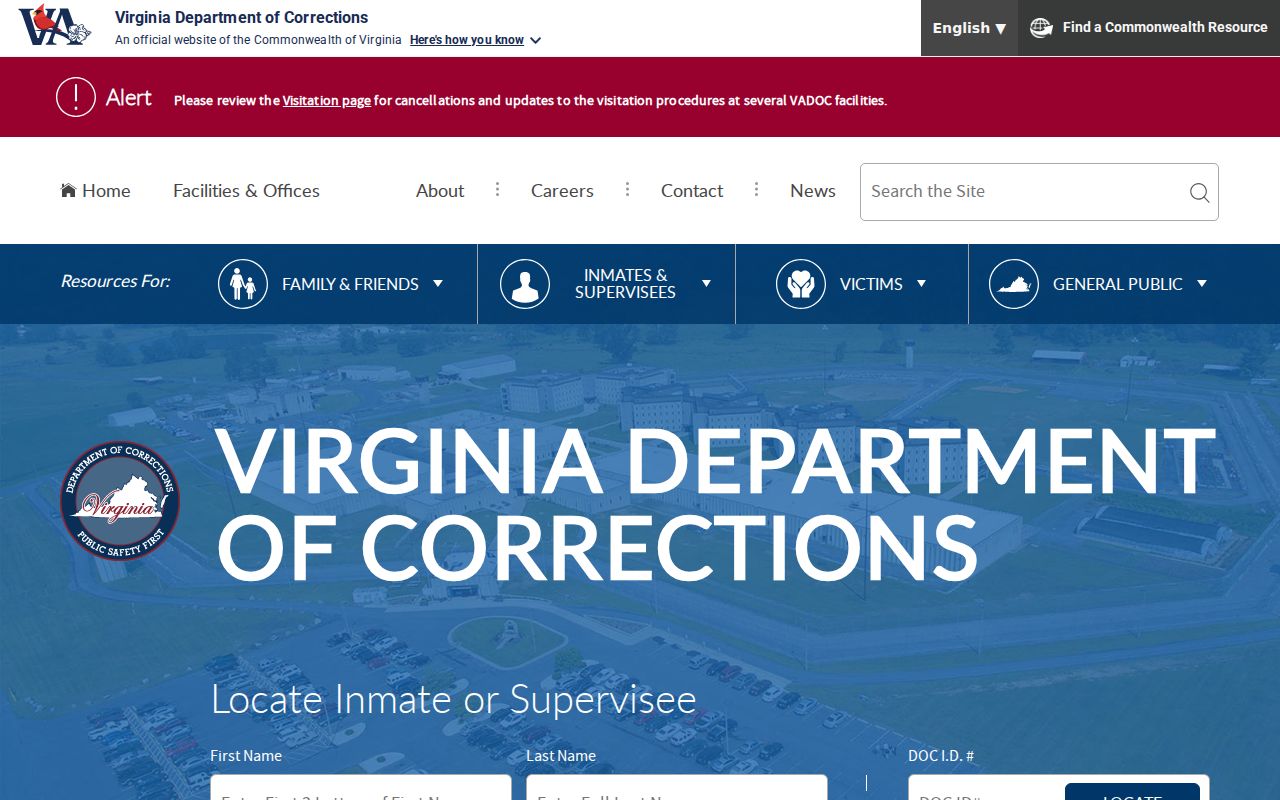
The reviewed official material did not provide a public Western Tidewater Regional Jail roster. Jail and VADOC notifications also follow separate VINE workflows. A custody result should be labeled by agency and access date, not used to infer a person's current Suffolk address.
Virginia's Sex Offender Registry offers its own name, ZIP, address-radius, map, registry-number, city, county, and category searches.
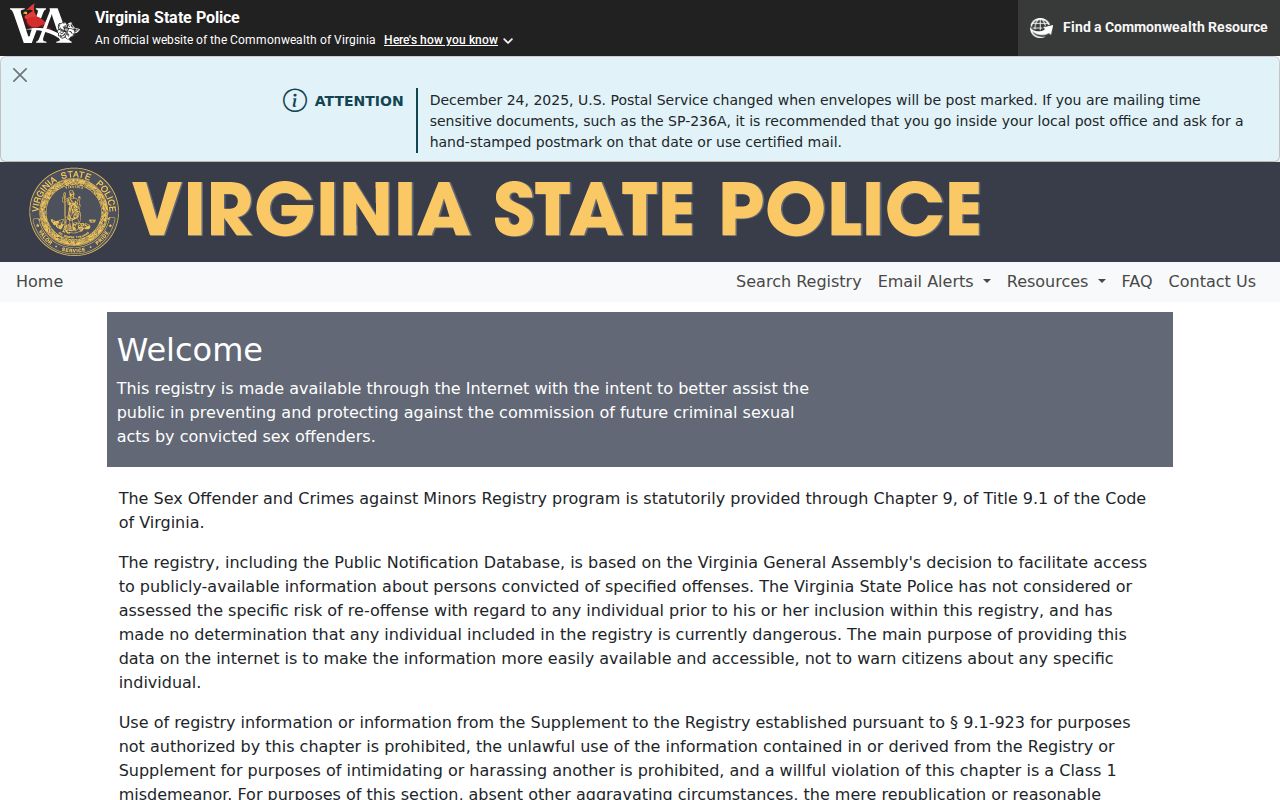
The registry is a statutory public-safety resource and carries its own anti-harassment boundary. Do not contact, threaten, or harass a listed person. A registry search is not a substitute for checking the issuing agency's current record.
Virginia State Police criminal-history requests describe the SP-167 individual-request procedure.
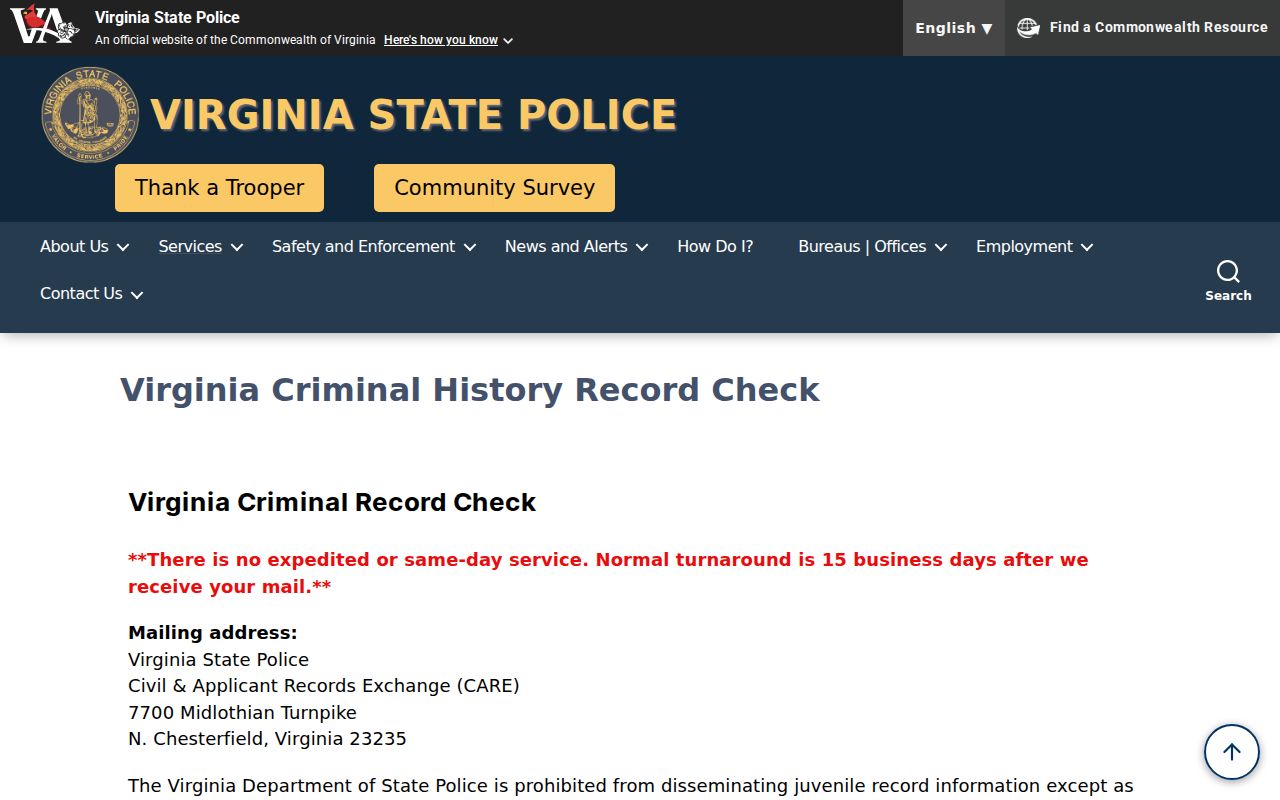
The standard SP-167 search is a notarized request with a listed $15 fee, while other request types have separate rules and prices. It is an issuing-agency record request, not a universal clearance or a way to bypass restricted court material.
Suffolk Record Dates Matter
Property and GIS records distinguish a mapped situs address from an owner and tax-mailing address. A directory or newspaper entry may accurately associate a person with a historical address without confirming present-day residency. Suffolk's older sources may also be filed under Nansemond names, and historic record loss can leave a gap that a modern portal cannot answer. A resident lookup needs the jurisdiction and source date with every result.
For an heir question, recorded probate and deed roles can be stronger than a loose name match. For a former classmate, yearbooks and library collections are dated historical leads. Virginia adoption identifying information follows confidential state procedures, including authorized mutual-consent or confidential-intermediary routes where eligible. The right custodian is the next step when a record lacks the detail needed to distinguish two names.
Suffolk Resident Lookup Limits
Virginia's Address Confidentiality Program gives eligible survivors of domestic violence, stalking, sexual violence, child abduction, or human trafficking a substitute mailing address and mail forwarding. The physical address is limited to program staff and law enforcement for law-enforcement purposes. The program is not retroactive and is not an absolute guarantee against every disclosure, so a protected address must never be pursued through unrelated public records.
The Virginia Address Confidentiality Program works through accredited victim-service programs. Virginia FOIA can be used for an existing municipal record described with reasonable specificity, but it does not override court exclusions, vital-record eligibility, voter confidentiality, motor-vehicle restrictions, sealed matters, or ACP protections.
Lawful use. Use Suffolk records for personal, lawful research and respect protected information. Repeated conduct intended to place a person or family in fear can violate Virginia's anti-stalking law.