
Find Suffolk Residents by Record
Suffolk has no public master list of everyone who lives in the city. Its useful records are held by different custodians because Suffolk is an independent city, not a county. A present-day address is usually best checked first through the assessor and GIS. A name tied to a public case belongs in the Virginia Courts path. A historic household belongs in a dated directory, newspaper, deed, or map trail. That separation matters. An assessment owner or mailing contact is not proof that the person occupies the mapped property.
Pick the question before choosing a search. Use an address to identify a parcel and its map context. Use a full name plus a second detail, such as a date, street, role, or locality, when comparing a court index or historical entry. Keep the source date beside every result. Suffolk records can also appear under Nansemond County, City of Nansemond, Holland, or Whaleyville when the research reaches earlier periods.
- Normalize the street address with the USPS lookup, then locate its mapped parcel through the assessor or GIS.
- Record the parcel account or tax-map number, borough, and source date before comparing another record.
- Use the Circuit Court Clerk or registered Virginia SRA route for deeds, plats, probate, or marriage-license questions.
- Check a public court path or an authorized voter route only for the narrow question that source can answer.
- For a dated household trail, ask the library or Library of Virginia for directory, newspaper, microfilm, and map holdings.
Suffolk Resident Record Custodians
Current local records split between city departments, the Suffolk Circuit Court Clerk, and Virginia agencies. The Circuit Clerk holds land records, plats, probate, marriage licenses, and court files. The assessor maintains the assessment side of parcel information. The Registrar is the local election contact. None of those offices creates a general resident roll. They each keep a defined record with its own access rules and correction route.
Suffolk Circuit Court Clerk
150 N Main Street
Suffolk, VA 23434
757-514-7800
Office of Real Estate Assessor
442 W Washington Street
Suffolk, VA 23434
757-514-7475
Suffolk General Registrar
440 Market Street, First Floor
Suffolk, VA 23434
757-514-7750
For a street-wide address workflow, the Suffolk street directory uses the assessor and GIS records in more detail. The historical route uses different custodians and record dates.
The City of Suffolk Real Estate Assessor page identifies the office and its official property-search path.
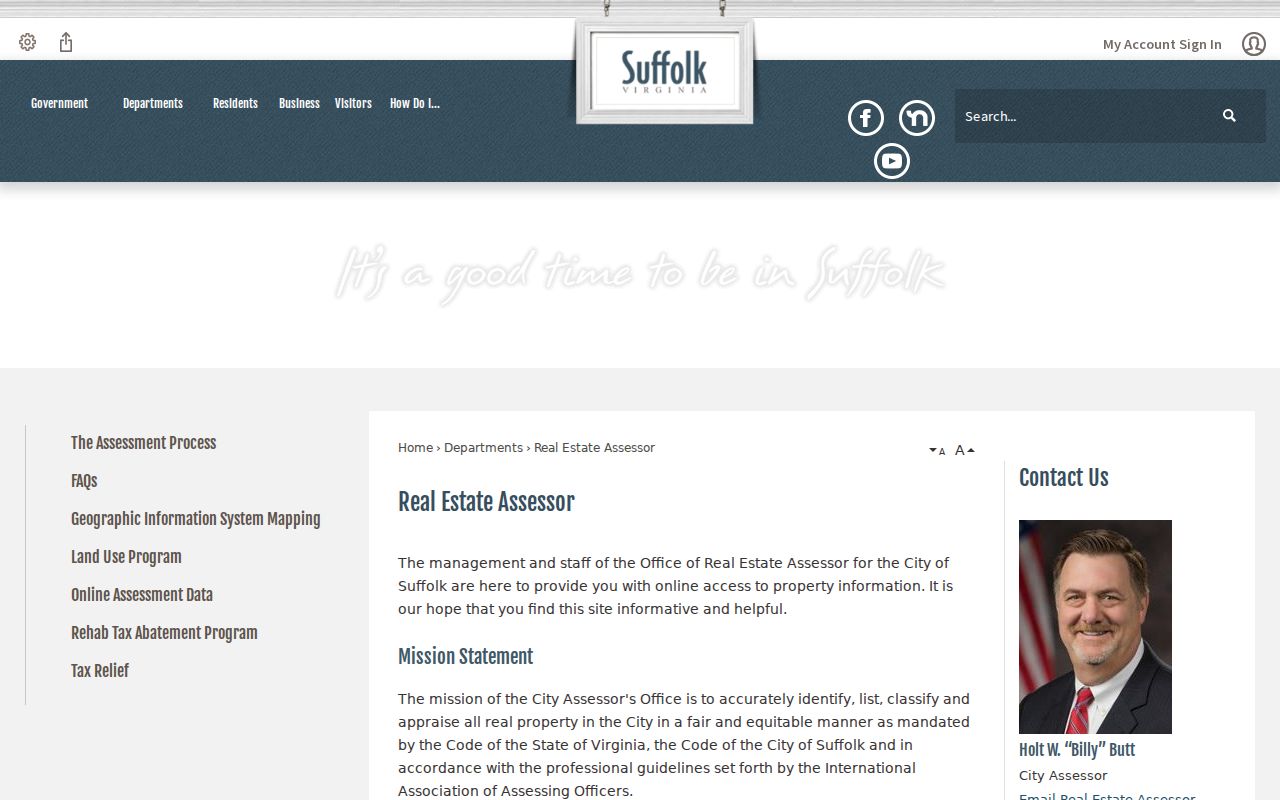
That route is useful for an assessment question, while the clerk and registrar answer different record questions.
Suffolk Parcel Records by Address
The City of Suffolk assessment and GIS layers are the practical first stop for an address. Their documented parcel-owner schema can connect a mapped address with a tax-map number, account number, owner-of-record, mailing fields, borough, zoning, subdivision, neighborhood, property class, and building-use context. The route is especially useful when a deed or older record gives a lot description rather than a familiar street number. It still needs careful labeling: a situs address is the property location, while a mailing address is where tax correspondence goes.
| Search detail | Suffolk record use |
|---|---|
| Address or map location | Locates the public assessment parcel and GIS context. |
| Owner-of-record | Names the party carried on the assessment record, not a current-occupancy finding. |
| Tax map or account | Connects a parcel to deed, plat, permit, and request follow-up. |
| Borough and neighborhood | Supplies geographic context for a Suffolk record search. |
Suffolk Spatialest is the public assessment-property route linked by the city.
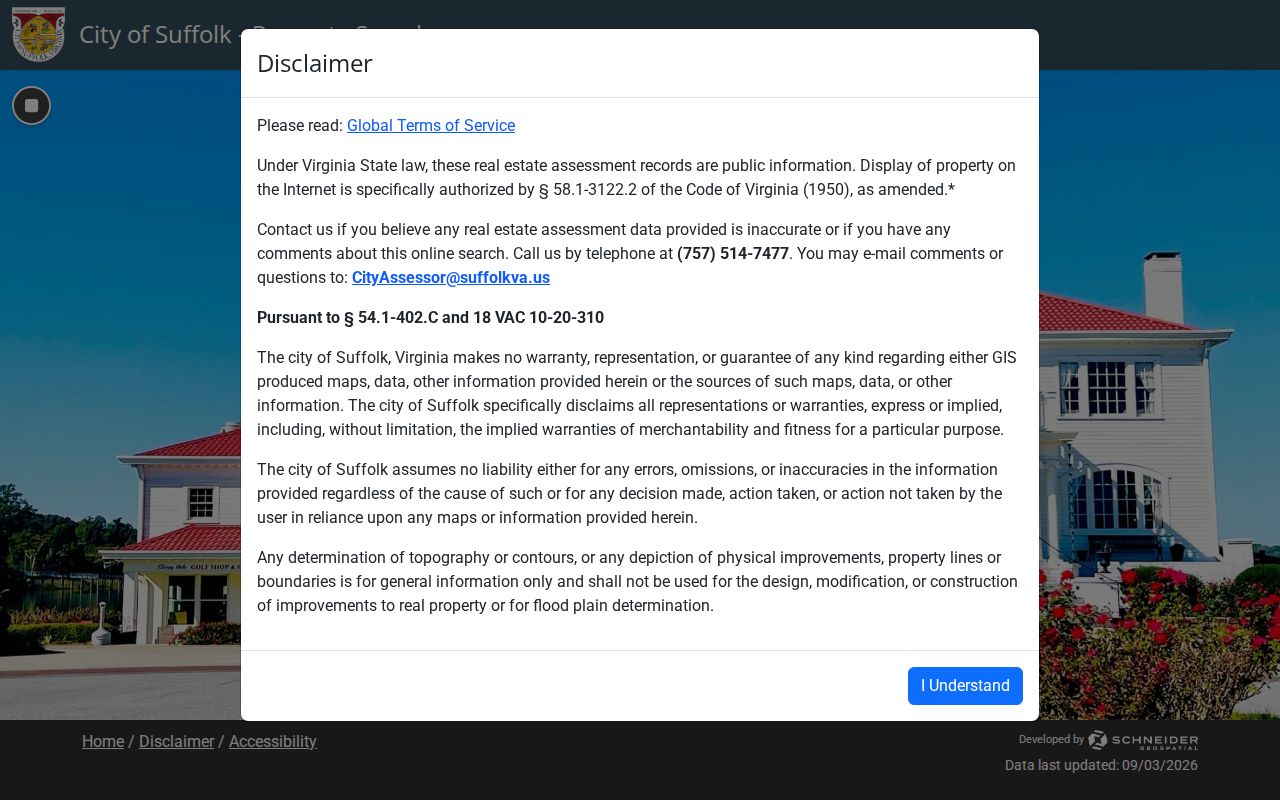
The search can anchor a property record, but it does not turn a parcel field into a household roster.
Suffolk Court and Clerk Paths
A public court index can show that a name appears as a party in a public case, with fields that commonly include the docket number, court or locality, case type, filing or hearing dates, status, and disposition. The live display varies by court. Suffolk uses the Virginia Courts case-information route and the local General District Court path. Virginia does not provide one statewide circuit-court search, so a Circuit Clerk inquiry is the fallback for local circuit files, archived material, certified copies, and questions the web display cannot answer.
Land research is separate. The Virginia Secure Remote Access system is a registered, controlled public-use route for land-record indexes and images through the local clerk. A grantor is the person transferring an interest; a grantee is the person receiving it. Those names form a useful title trail, but a deed party is not automatically the current resident of the property.
Virginia Courts case information supplies the public court-search choices.
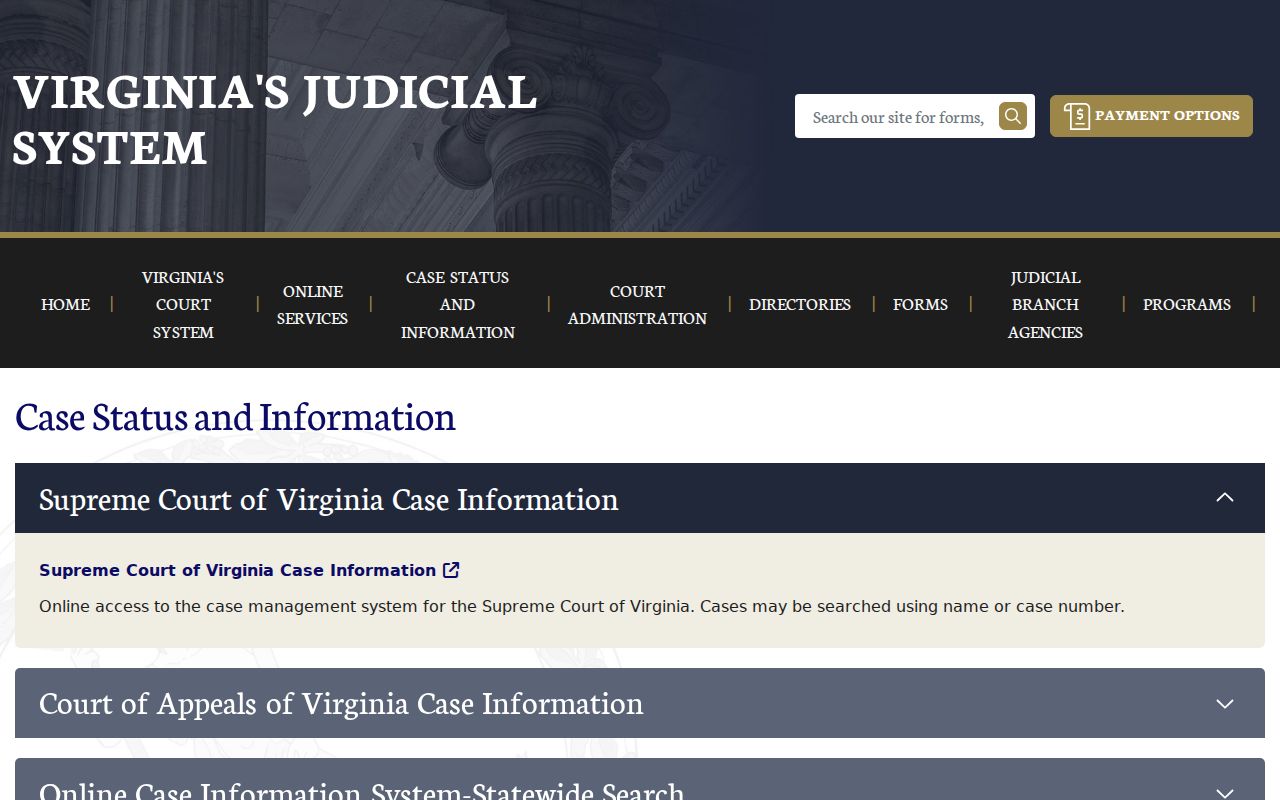
Use the clerk for copies, fuller file access, and confirmation, especially where the online result is incomplete or confidential.
Suffolk Voter Records Have Limits
The Virginia Citizen Portal helps a voter check registration status, polling place, districts, and absentee actions. The public registration-list rules in Title 24.2 are narrower than the election system itself. They cover specified fields, including name, residence address, year of birth, gender, and election-district information, while excluding Social Security numbers, the day and month of birth, registration-agency identity, and protected details. A person-status lookup is not a promise of a street-wide export.
The broader Virginia voter-list request uses a qualified client type, confirmed organizational email, requested geography, election or date filters, and a selected product. Ask the Registrar when a record needs correction or when a current polling place matters. Suffolk approved a Huntersville/Lakeside polling-place change in January 2026, so an old precinct document should not be treated as the final answer.
Current Suffolk Resident Record Sources
The most useful current sources do not all list the same kind of person. Assessment records identify an owner-of-record and tax mailing fields. A voter record is controlled by election law. A deed identifies the people named in a recorded transfer. A civic association can publish its own organization contact, but no complete city-managed association or household roster was located. Treat each result as a record-specific lead and verify it with the keeper.
| Record route | What it can confirm | Custodian | Access path |
|---|---|---|---|
| Assessment parcel | Owner-of-record, situs, mailing, account, and map context | City Assessor | Spatialest and GIS |
| Voter record | Statutorily public registration information and election geography | Registrar / Virginia Elections | Portal or qualified request |
| Land index | Grantor, grantee, instrument, recording details, and title clues | Circuit Court Clerk | Registered SRA or clerk request |
| Public case index | Public party and docket information | Virginia Courts / clerk | Case-information route and clerk |
| Civic organization entry | Organization contact information intentionally submitted or published | City form or association | Public contact route |
When one full name must be checked across those separate sources, the Suffolk resident lookup route keeps the comparison focused on dates, locality, and record type.
Suffolk and Nansemond Record Gaps
Older Suffolk research has a different jurisdictional map. Nansemond County was formed in 1646. The City of Nansemond existed from 1972 until its 1974 consolidation into Suffolk, which also joined the former city of Suffolk, Holland, and Whaleyville. Search those locality names when a directory, deed, court order, or marriage record predates the modern city. A name missing from one locality label may appear under another.
Record loss is also real. Fires damaged or destroyed older material in 1734, 1779, 1837, and 1866, while the 1837 Suffolk fire destroyed the courthouse and clerk offices. The Library of Virginia's Nansemond guide identifies surviving or reproduced runs, including general deed indexes from 1866 to 1904 and selected deed books from 1899 to 1913. Missing pre-1866 material should be marked as a preservation gap, not as proof that no person or transfer existed.
Virginia Secure Remote Access is the clerk-linked land-record route for registered users.
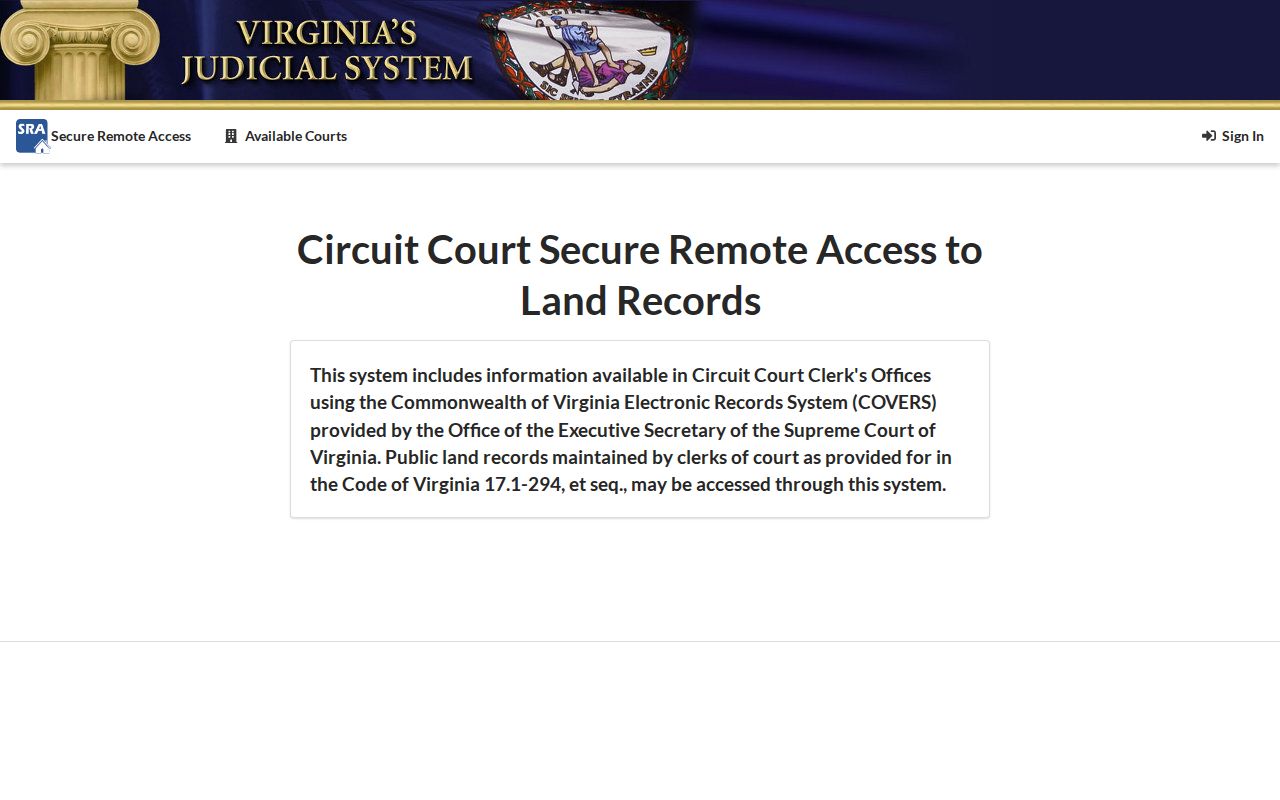
The online index is only one channel. The clerk, Library of Virginia microfilm, and a written copy request remain important when a record is older or not displayed.
Suffolk Vital Record Access
The Virginia Department of Health, rather than a separate city vital-record office, issues Suffolk birth, death, marriage, and divorce records. Virginia Code §32.1-271 opens birth records after 100 years and death, marriage, and divorce records after 25 years, subject to the statute and exceptions. A current record requires the right relationship, legible identification, and the appropriate request. The current certificate or search fee is $15, effective July 1, 2026.
VDH accepts online, mail, Richmond walk-in, express-service, and DMV customer-service-center requests. The online application page reports about 20 days of processing, while the forms guidance describes paper processing as about four weeks. A public index, an uncertified image, and a certified copy are different products. For a marriage, the state certificate path and the Circuit Clerk's underlying license file are also separate routes.
Virginia Vital Records explains the custodian, access periods, and request channels.
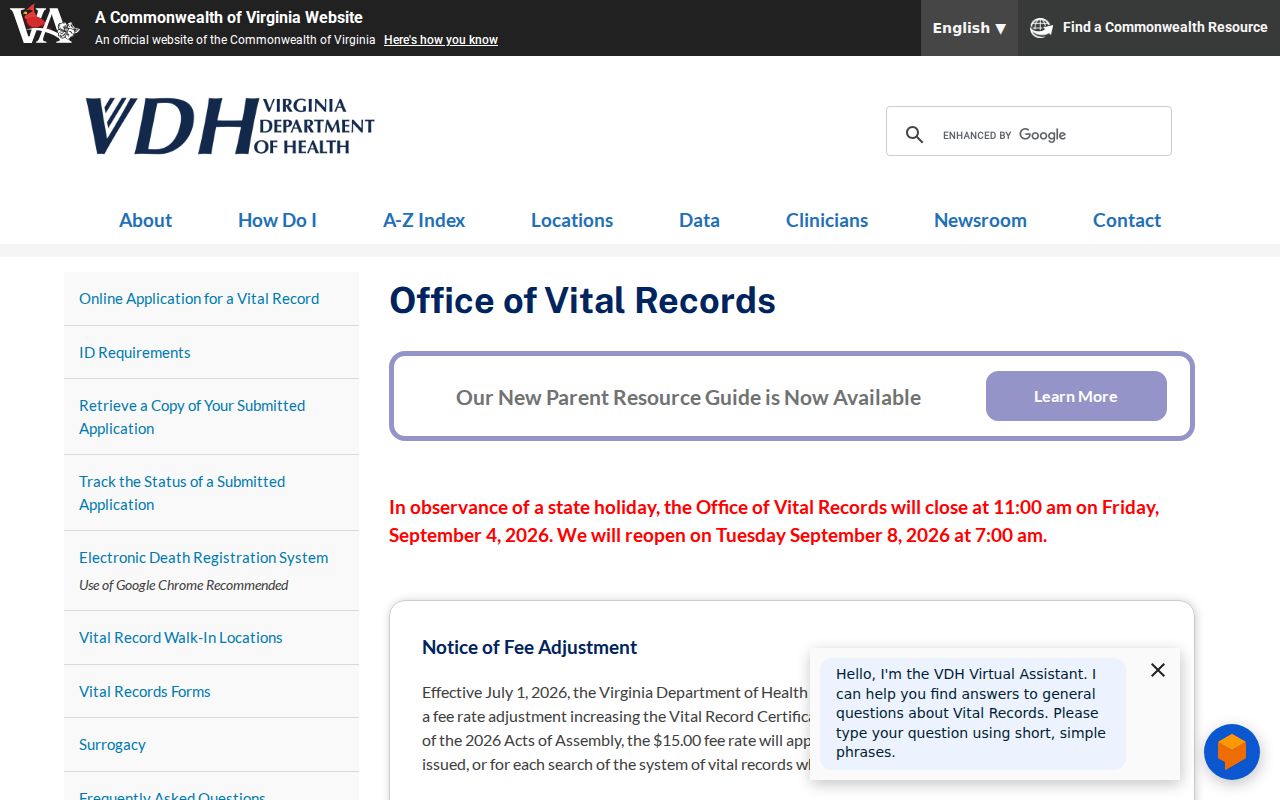
Start with the event type and record year so that a Suffolk request reaches the correct VDH procedure.
VDH's online vital-record application is the electronic request route.
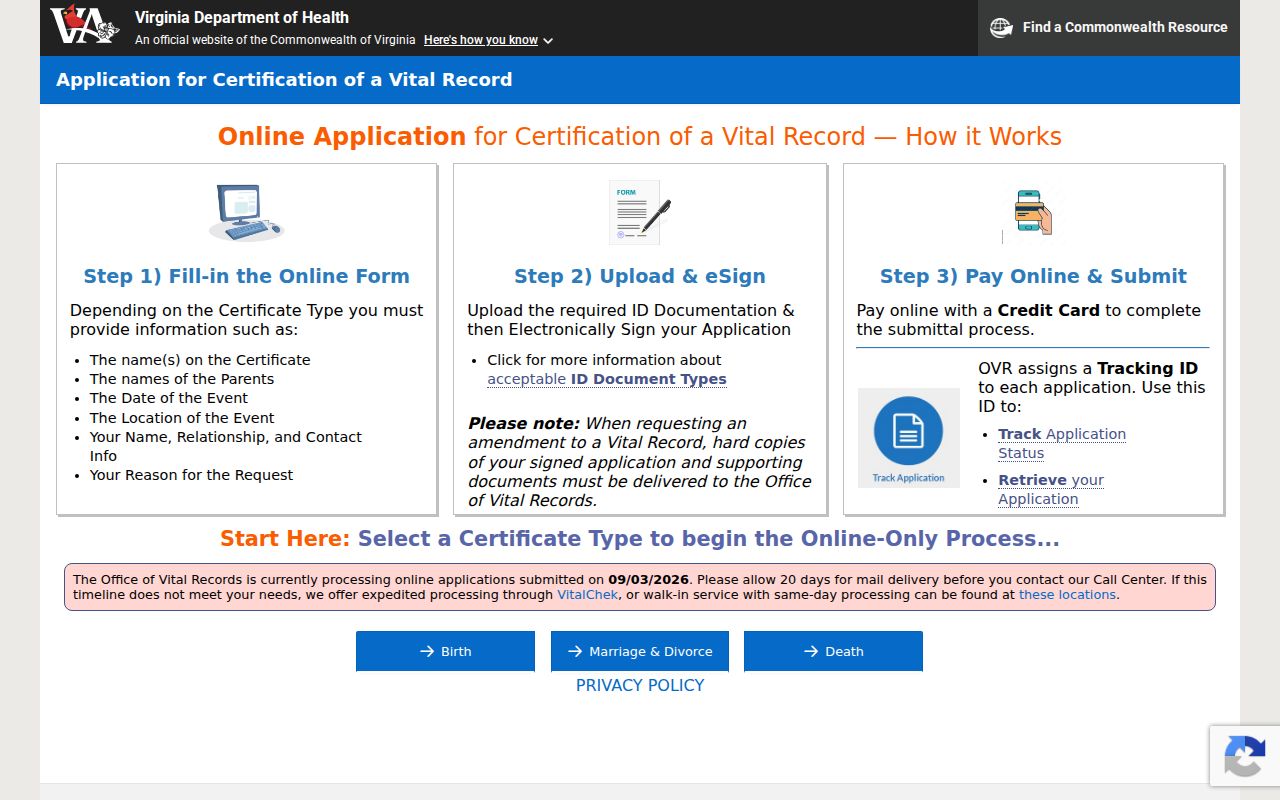
The application asks for event and requester details, and the legal eligibility rules still govern the request.
Suffolk FOIA for City Records
Virginia Freedom of Information Act requests are a fallback for an existing municipal record that the city does not already publish in a portal. The request must describe the records with reasonable specificity. Virginia FOIA generally calls for a response within five working days, with statutory options where a full response is impractical. The city does not have to create a new analysis or answer an open-ended question. Court records use the clerk and court procedures instead, not FOIA.
Suffolk can receive a request through its JustFOIA portal, email, mail, fax, phone, or in person. The city may charge actual search, redaction, duplication, and database-format costs, and may require a deposit in the circumstances the statute allows. Use the exact record, timeframe, department, and preferred format in the request. That lets the records staff look for an existing document without guessing what a requester means.
Virginia FOIA §2.2-3704 sets out the request mechanics.
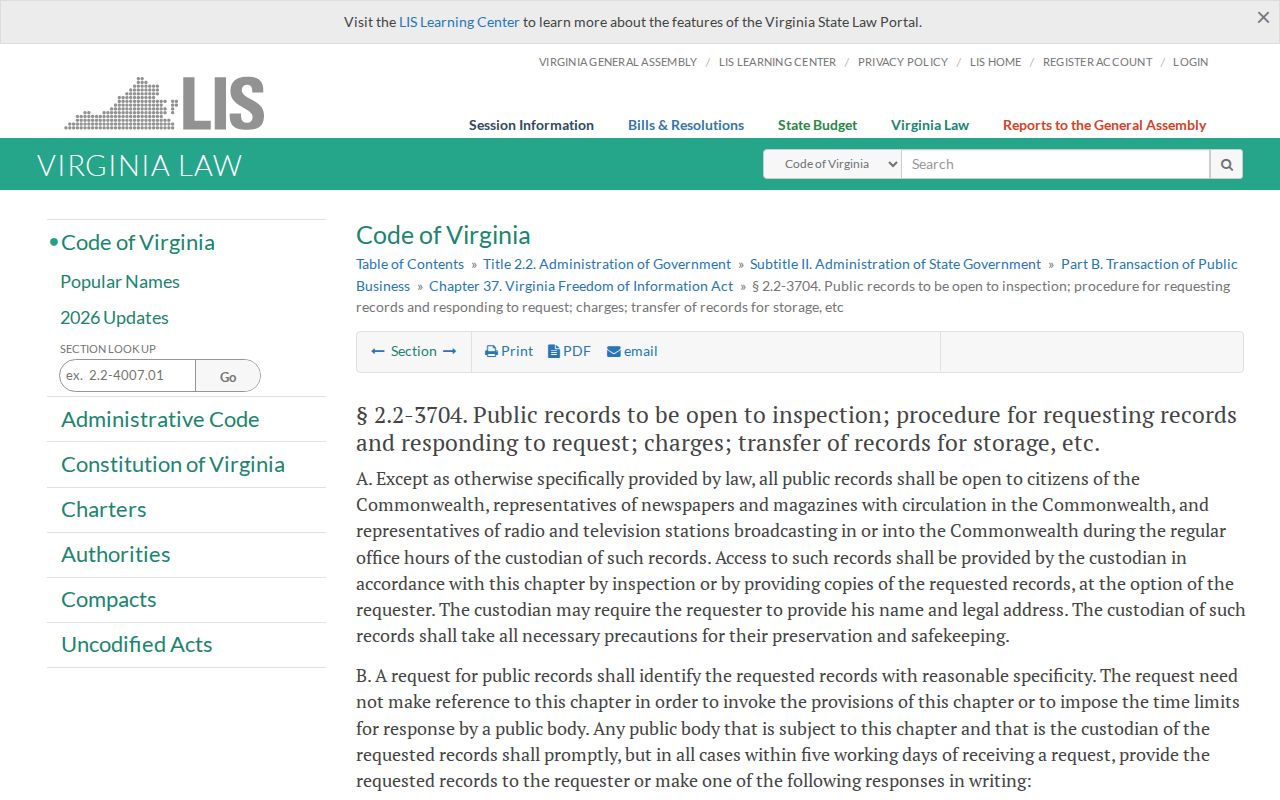
The statute frames an existing-record request, not a request for a new resident list or a court-file substitute.
Suffolk JustFOIA is the online municipal-record intake portal.
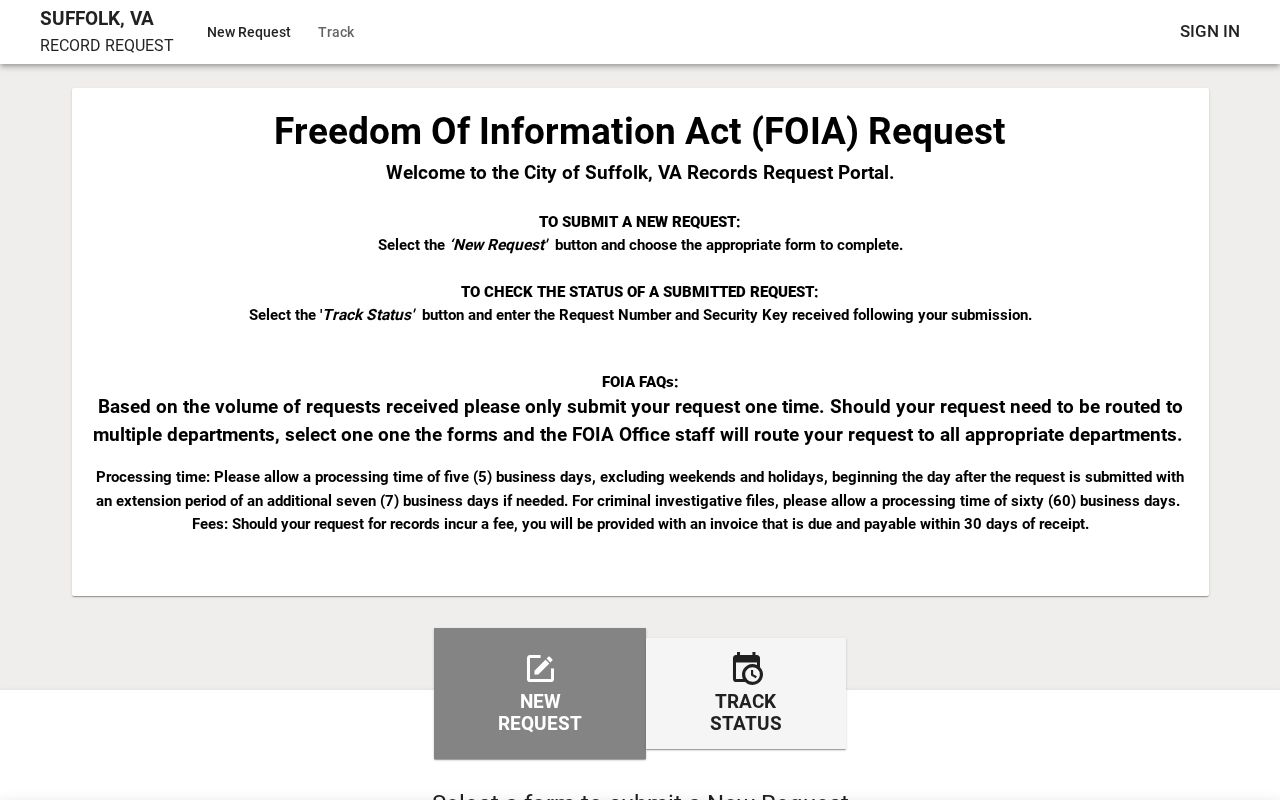
Give the portal a narrowly stated request and retain the confirmation for follow-up.
Suffolk's FOIA Office publishes the local procedure and contact route.
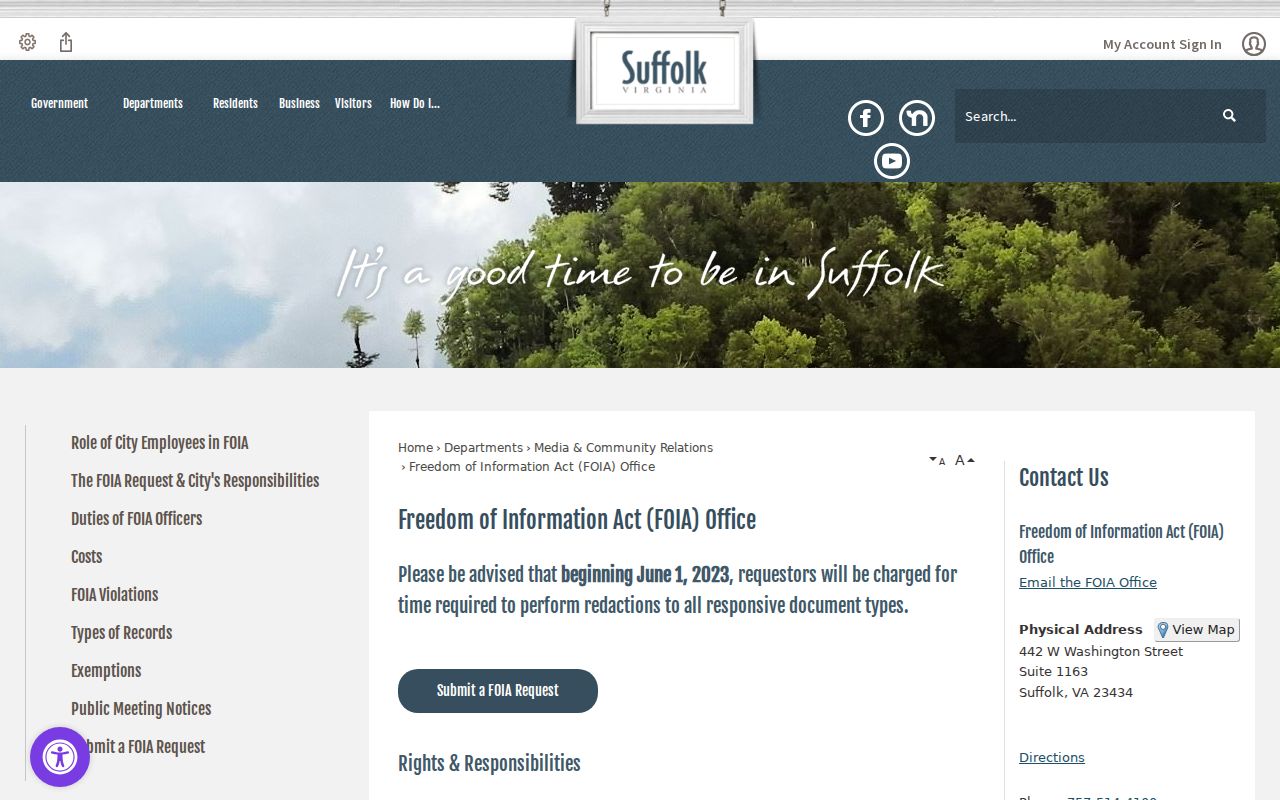
The office can explain the city's process, but the responsible custodian remains the best source for record meaning and corrections.
Suffolk Boroughs Shape Searches
Geography gives a Suffolk record trail useful context. The GIS identifies seven boroughs: Chuckatuck, Cypress, Holy Neck, Nansemond, Sleepy Hole, Suffolk, and Whaleyville. Its layers also distinguish address points, parcels, streets, precincts, schools, flood and surge information, historic areas, land use, and transportation. A borough or precinct can narrow a map question, but neither proves someone belongs to a household, group, or neighborhood association.
- Parcel
- A mapped property unit tied to an account or tax-map reference.
- Index
- A finding tool that points to a record; it is not always the record image or a certified copy.
- Criss-cross directory
- An address-arranged directory that can show a dated printed association with an address.
- Record roll
- A source-specific list, such as an assessment or registration record, with its own date and legal limits.
Use the city map layer to keep those geographic labels distinct rather than blending them into a single claim about a Suffolk resident.
Historical Suffolk Resident Directories
Printed directories are dated household and business evidence, not current-residency proof. The Library of Virginia describes a selection of Virginia city directories from 1873 through 1960. Suffolk examples verified in the official historic-district nomination are City of Suffolk, Virginia from 1930 and Hill's Suffolk City Directory from 1957. The exact issue list and local reverse-directory shelf years were not located in the official sources, so the library should confirm a particular year before a search relies on it.
A full city-directory trail can move from a name index to the printed entry, address or criss-cross listing, next available directory year, released census year, newspaper evidence, and a deed or probate record. The Suffolk directory book concentrates on those collections and how to read their abbreviations. Save the page number, year, repository, and whether an image was inspected rather than relying only on an index result.
Suffolk Library Research Help
Suffolk Public Library is the local handoff for specific genealogy and house-history questions. Its Genealogy & History resources point to local obituaries, newspapers, city directories, Ancestry records, the Library of Virginia, National Archives material, school yearbooks, and the Suffolk Nansemond Historical Society. Ancestry Library Edition needs in-library access at a Suffolk library location and a free account. Virginia Chronicle is a free newspaper resource, while HeritageHub access may depend on library credentials.
Library staff describe up to four hours of limited assistance for a narrow request, mainly local obituaries, local articles, city directories, Ancestry vital or census records, and Hampton Roads connections. A discovery appointment is generally limited to one hour. A useful request names the person, approximate dates, street, borough if known, and the exact record question. Broad all-family research falls outside the service. That focused handoff can make a historical Suffolk lead much easier to verify.
Protected Suffolk Address Limits
Public access does not erase privacy or safety rules. The Virginia Address Confidentiality Program provides an eligible survivor of domestic violence, stalking, sexual violence, child abduction, or human trafficking with a substitute mailing address and mail forwarding. The physical address is limited to program staff and law enforcement for law-enforcement purposes. Virginia agencies and local agencies must accept the substitute address, while private and federal entities are not universally required to do so. The program is not retroactive and does not guarantee that every past disclosure disappears.
Virginia's Consumer Data Protection Act gives qualifying consumers defined rights over covered personal data, but it does not create a universal way to remove official public records. If a record seems wrong, contact the agency that issued it. The owner field, voter record, court entry, and historical directory each have their own correction or access path.